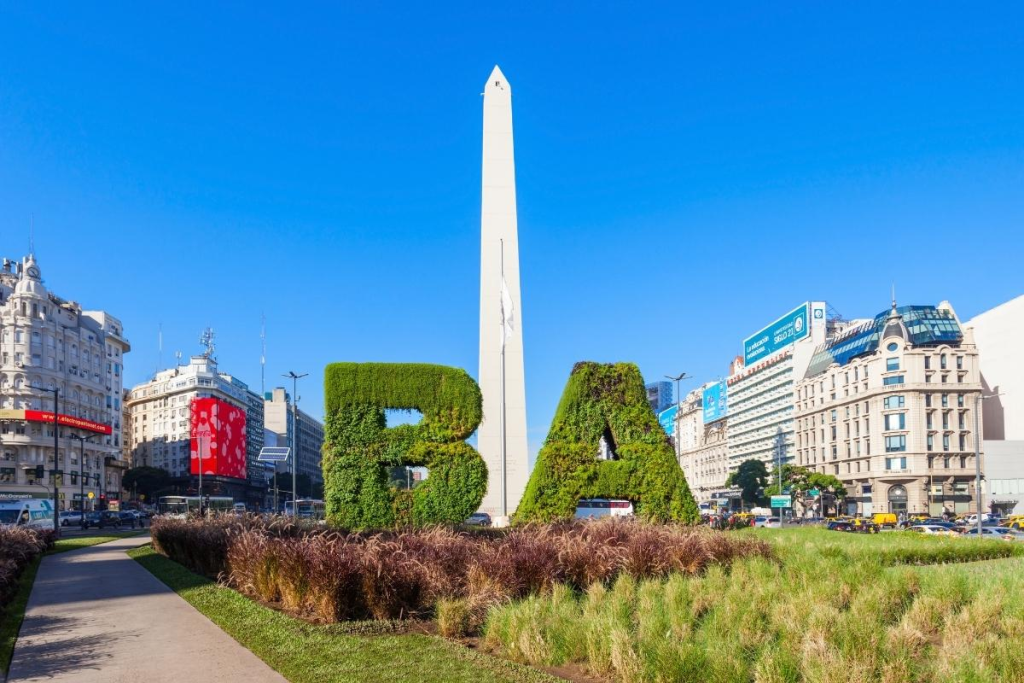
Argentina is the eighth-largest country on earth, and the three sights most travelers come for — the tango streets of Buenos Aires, the thundering jungle of Iguazu, and the glaciers of Patagonia — sit as far apart as London is from Moscow. That single fact is what makes planning the best Argentina itinerary so daunting and so rewarding to get right. Try to do it by road and you will lose your whole holiday in transit; sequence the domestic flights well and the country opens up in two unforgettable weeks. This guide lays out a realistic day-by-day route for 10 to 14 days, solves the internal-flight puzzle that trips up most first-timers, and shows how to weave culture, jungle, and ice into one smooth journey. It is written from the perspective of planners who book these connections every week and know exactly where the schedules bite.
In this guide
- How Many Days Do You Really Need?
- The Domestic Flight Puzzle (and How to Solve It)
- The 10-Day Argentina Itinerary
- Extending to 12-14 Days
- Best Time of Year for This Route
- Practical Tips From Local Planners
How Many Days Do You Really Need?
To combine Buenos Aires, Iguazu, and Patagonia without feeling rushed, ten days is the practical minimum and fourteen is the comfortable ideal. Anything shorter forces you to drop one of the three pillars or spend more time in airports than at the sights. The reason is distance: Buenos Aires to Iguazu is roughly a two-hour flight, and Buenos Aires to El Calafate in southern Patagonia is about three hours. Because nearly all domestic routes connect through Buenos Aires rather than directly to each other, the city becomes your hub, and the itinerary has to be built around that reality. Ten days lets you give Buenos Aires three nights, Iguazu two, and Patagonia four. Fourteen days adds breathing room and the option of a second Patagonian base or a side trip to wine country.
The Domestic Flight Puzzle (and How to Solve It)
This is the single biggest headache for independent travelers, and where good planning pays for itself. A few realities to understand before you book anything:
- Two different airports in Buenos Aires. International flights generally use Ezeiza (EZE), while most domestic flights leave from Aeroparque (AEP), closer to the city center. Connecting between them means crossing the city — never schedule a tight transfer between an international arrival and a domestic departure on the same day.
- Buenos Aires is the hub. You will usually route Iguazu and Patagonia through the capital rather than flying between them directly, so the smart structure is a hub-and-spoke pattern with the city in the middle.
- Seats sell out in high season. Domestic capacity is limited, and the popular Patagonia flights fill quickly in the southern summer. Booking the internal legs early — ideally as a coordinated package — protects your whole itinerary from collapsing around one sold-out flight.
- Build in buffer time. Delays happen. Leaving a cushion between connections, and never planning to land and depart in the same few hours, keeps one late flight from derailing the rest of the trip.
Because these legs interlock, many travelers prefer to have them handled as one package with flights included. You can review complete Argentina packages with internal flights that lock in the connections in the right order.
The 10-Day Argentina Itinerary
Here is the core route that balances all three regions with realistic pacing.
Days 1-3: Buenos Aires
Arrive and settle into the capital. Spend your first full day in the historic core — Plaza de Mayo, San Telmo’s cobblestones, and the colorful houses of La Boca — then dedicate an evening to a tango show, the city’s signature experience. The second day suits the elegant Recoleta district and its famous cemetery, the parks of Palermo, and a steak dinner that lives up to Argentina’s reputation. Buenos Aires rewards a slow morning and a late night; it is a city that comes alive after dark.
Days 4-5: Iguazu Falls
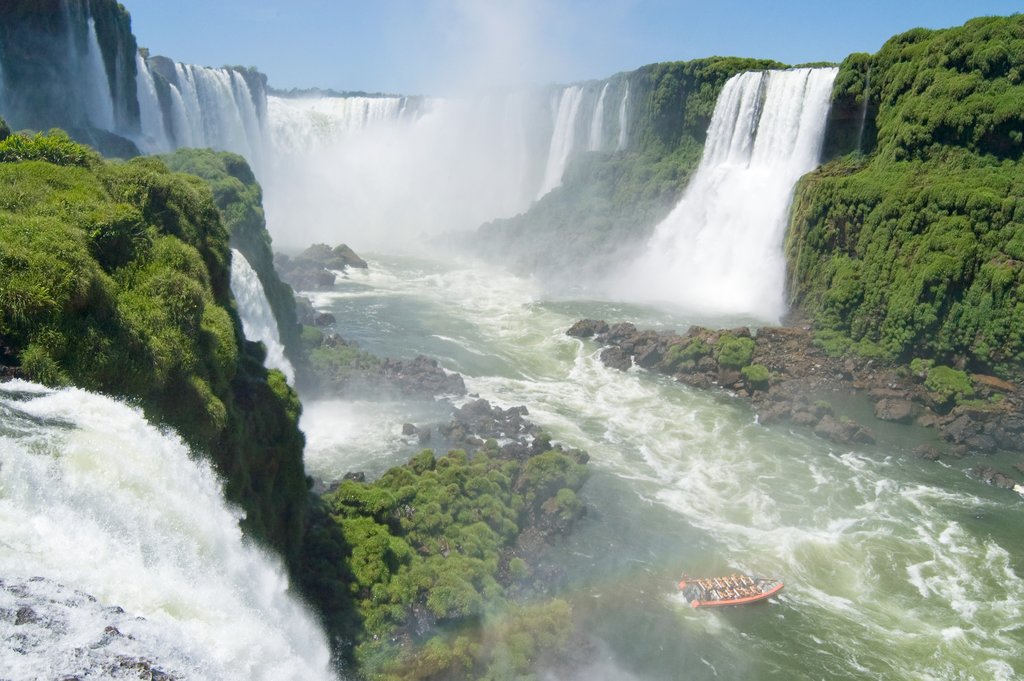
Fly north to the subtropics. Dedicate one full day to the Argentine side, where trails bring you among and above the cascades to the staggering Devil’s Throat, and a half to full day to the Brazilian side for the panoramic view of the entire falls system. Two nights here is the right amount — enough to see both sides without the rush that ruins a single-day visit.
Days 6-9: Patagonia (El Calafate)
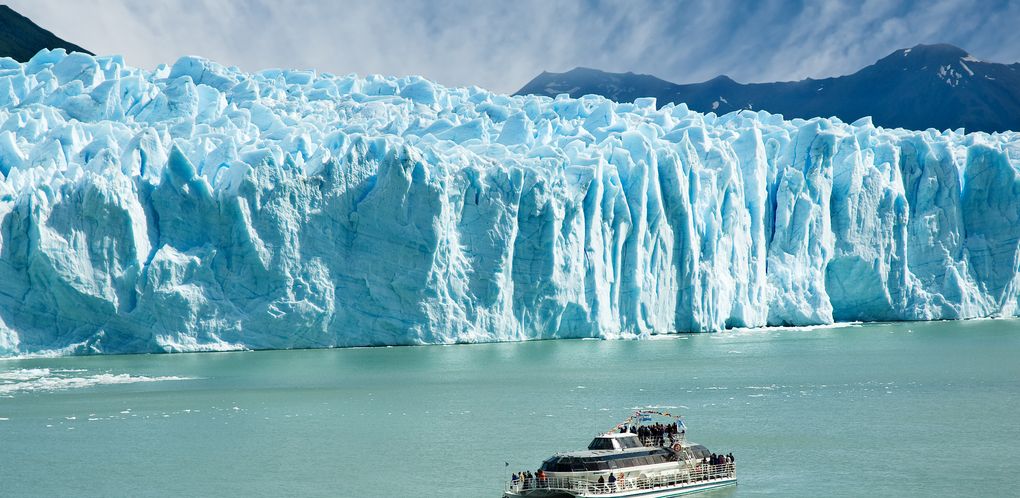
Fly back through Buenos Aires and continue south to El Calafate, gateway to the Los Glaciares National Park. The unmissable experience is the Perito Moreno Glacier, a wall of ice you can view from boardwalks or approach by boat. With four days you can add a glacier boat safari, a day trip to the trekking village of El Chaltén for its famous mountain views, or a traditional estancia lunch on the steppe. Patagonia’s scale is humbling and deserves these unhurried days.
Day 10: Return and Departure
Fly back to Buenos Aires for your international connection. If your flight is late, a final afternoon in the city for last souvenirs and one more steak is a fitting close.
Extending to 12-14 Days
With extra days, the itinerary gets richer rather than just longer. The most rewarding additions are a few days in Ushuaia, the southernmost city in the world, for the Beagle Channel and Tierra del Fuego; a stop in Bariloche for the Lake District’s alpine scenery; or a detour to Mendoza for wine country, best in the autumn harvest. Each of these slots in naturally because they also route through Buenos Aires. A fourteen-day version typically pairs El Calafate with either Ushuaia or Bariloche, giving you two distinct faces of Patagonia rather than one.
Best Time of Year for This Route
Timing is dictated by Patagonia, the most seasonal leg. The southern summer through to autumn — roughly November to March, extending into April — offers the long days and stable weather that make the glaciers and trails accessible. Buenos Aires is most pleasant in the spring and autumn shoulder seasons, while Iguazu, being subtropical, works year-round, with the cooler months bringing lower humidity. Because the route depends on Patagonia being open and comfortable, building the trip around the southern warm season is the safest choice. For a deeper look at how the regions differ, our Argentina travel planning resources break down the seasons region by region.
Practical Tips From Local Planners
- Pack for three climates. You will move from subtropical heat in Iguazu to glacier winds in Patagonia in the same week. Layers are essential.
- Keep your Buenos Aires hotel flexible. Since you pass through the city more than once, a base you can return to simplifies logistics.
- Don’t underestimate Patagonia’s distances. Even within the region, sights are far apart; a local guide and pre-arranged transfers save hours.
- Confirm domestic baggage rules. Internal flights can have tighter allowances than your international ticket.
- Leave the last day as a buffer. A weather delay in the south is far less stressful when you are not racing to an international departure.
Conclusion
The best Argentina itinerary is not about cramming in more — it is about sequencing Buenos Aires, Iguazu, and Patagonia so the flights flow and each region gets the time it deserves. Get the internal connections right and two weeks delivers culture, jungle, and ice without a single wasted day. Plan your Argentina trip with our local experts at www.01argentina.com — WhatsApp available for a fast response, with itineraries confirmed within 24 hours.
By Pablo, Senior Travel Planner at 01Argentina Travel Agency



You must be logged in to post a comment.